
Medicaid Diabetic Supplies
Coverage That Varies More by State Than Any Other Insurance Type
Medicaid covers diabetic supplies for millions of beneficiaries across the country, but unlike Medicare, there is no single national policy governing exactly what’s covered and under what conditions. Medicaid is a joint federal and state program, and each state administers its own program within broad federal guidelines, which means the specific rules for CGMs, glucose meters, test strips, and insulin pump supplies can look meaningfully different depending on where you live. This page explains what’s typically covered, how state variation affects your specific benefits, and what to expect during the verification process.
What Medicaid Typically Covers
Most state Medicaid programs cover the same broad categories of diabetic supplies as Medicare and private insurance, generally including:
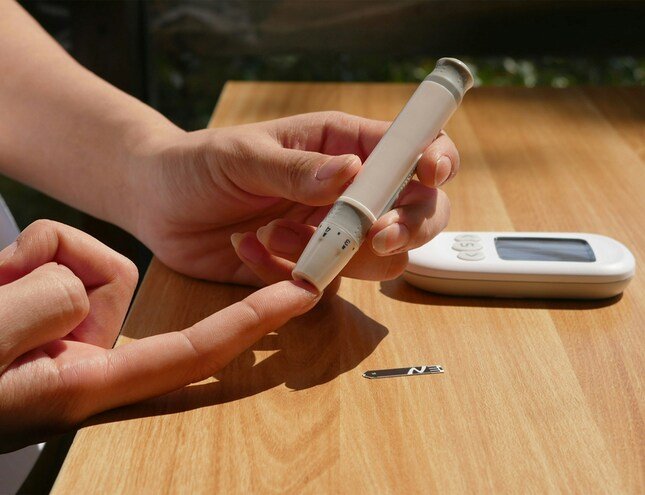
Blood glucose meters and test strips
Nearly every state Medicaid program covers standard glucose meters and their corresponding test strips for diagnosed diabetic beneficiaries with a valid prescription, though the specific monthly quantity allowance and whether higher quantities are available for insulin users varies by state.
Insulin and related supplies
Insulin is generally covered when prescribed by a doctor, along with related administration supplies. Some states offer coverage for multiple insulin types depending on your specific treatment needs.
Continuous glucose monitors
CGM coverage has expanded substantially across state Medicaid programs in recent years, with the large majority of states now providing some level of coverage. That said, coverage still isn’t universal, and where it exists, eligibility criteria and covered device lists vary widely from state to state.
Insulin pump supplies
Many states cover insulin pumps and their ongoing supplies for beneficiaries who meet specific clinical criteria, though approved device and manufacturer lists tend to be narrower under Medicaid than under Medicare or private insurance.
Why CGM Coverage Looks So Different From State to State
CGM coverage is the area where Medicaid’s state-by-state structure creates the most noticeable variation. A large majority of states now provide at least some level of CGM coverage, but the details differ substantially:
Type of diabetes covered
Some states cover CGMs only for beneficiaries with Type 1 diabetes, while others extend coverage to Type 2 diabetes as well, particularly for patients using insulin.
Pharmacy benefit versus medical benefit
A meaningful number of states classify CGMs under a pharmacy benefit rather than a medical or durable medical equipment benefit. This distinction matters in practice: getting a CGM through a pharmacy benefit is generally faster and requires less paperwork from your doctor, often taking days rather than the several weeks a medical benefit pathway can require.
Prior authorization requirements
Most states that cover CGMs require prior authorization, and while a handful of states have removed this requirement in recent years to speed up access, it remains standard in most states, with in some cases with documentation demonstrating a confirmed diagnosis, a prescribing provider’s statement of medical necessity, and completion of diabetes education related to CGM use.
Approved device lists
Some states maintain a specific list of approved CGM manufacturers and models rather than covering any FDA-approved device, meaning your specific state’s list determines which CGM you can receive through Medicaid coverage.

Children and the EPSDT Benefit
Regardless of a specific state’s published CGM policy for adults, children and young adults under 21 enrolled in Medicaid are generally entitled to CGM coverage under a federal benefit called Early and Periodic Screening, Diagnostic, and Treatment, or EPSDT. This federal requirement applies even in states without a published adult CGM coverage policy, so a family with a child on Medicaid should not assume CGM coverage isn’t available simply because their state’s general adult policy looks limited.
Ongoing Documentation Requirements
Similar to Medicare and private insurance, Medicaid CGM coverage typically isn’t a single approval that lasts indefinitely. Most states require ongoing proof of compliance and continued clinical necessity, generally through periodic follow-up documentation from your prescribing provider confirming you’re actively using the device as part of your treatment plan. Missing a required follow-up can interrupt your ongoing sensor supply even if your underlying medical need hasn’t changed.
Dual Eligibility: Medicaid Alongside Medicare
If you qualify for both Medicare and Medicaid, Medicare generally serves as your primary coverage for diabetic DME, with Medicaid potentially covering some or all of your remaining Medicare coinsurance, depending on your specific state’s rules for dually eligible beneficiaries. Our team coordinates verification across both programs, confirming exactly how your state’s Medicaid program supplements your Medicare coverage rather than leaving you to interpret two separate sets of rules.
What Happens If You Move to a Different State
Because Medicaid coverage rules are set at the state level, moving across state lines is one of the more significant changes that can affect your diabetic supply coverage, even if your diagnosis and treatment plan haven’t changed at all. A CGM that was covered under your previous state’s Medicaid program may face different eligibility criteria, a different approved device list, or a different documentation process under your new state’s program. If you move, contact our support team as soon as possible so we can re-verify your coverage under your new state’s specific rules before your next refill is due.
Getting Started
Because Medicaid coverage varies so significantly by state, the most reliable way to understand what you’re eligible for is a direct eligibility check that accounts for your specific state’s rules, rather than general assumptions based on what Medicaid covers nationally. Our team verifies your specific state program’s requirements and tells you clearly what’s covered and what documentation, if any, is still needed.
Frequently Asked Questions
Does Medicaid cover CGMs in every state?
No. While the large majority of states now provide some level of CGM coverage, a small number of states still don’t have a published coverage policy, and where coverage exists, eligibility criteria and covered devices vary significantly.
Does my state’s Medicaid program cover Type 2 diabetes for CGM purposes?
This depends on your specific state. Some states limit CGM coverage to Type 1 diabetes only, while others extend coverage to Type 2 diabetes as well, particularly for patients using insulin.
What if my state doesn’t have a published CGM policy?
Even without a published policy, coverage may still be available through a medical necessity exception, and children and young adults under 21 are generally entitled to CGM coverage under the federal EPSDT benefit regardless of a state’s general adult policy.
How long does it take to get a CGM through Medicaid?
This depends partly on whether your state covers CGMs under a pharmacy benefit or a medical benefit. Pharmacy benefit pathways are typically faster, often a matter of days, while medical benefit pathways can take several weeks due to more extensive documentation requirements.
What happens to my coverage if I move to a different state?
Since Medicaid rules are set at the state level, moving can change your CGM eligibility criteria, approved device list, or documentation requirements. Contact our support team as soon as you move so we can re-verify your coverage under your new state’s program.
What if I have both Medicare and Medicaid?
As a dually eligible beneficiary, Medicare typically serves as your primary coverage, with your state’s Medicaid program potentially covering some or all of your remaining coinsurance. We coordinate verification across both programs on your behalf.
Medicaid coverage for diabetic supplies varies significantly by state and is subject to change. This page provides general information and is not a guarantee of coverage. Consult your specific state’s Medicaid program or your treating provider for details specific to your situation.