
CGM vs Traditional Glucose Meters: Which Is Right for You
Two Ways to Track the Same Number
Whether you use a continuous glucose monitor or a traditional fingerstick meter, the goal is the same: knowing your blood glucose level so you and your doctor can manage your treatment effectively. Beyond that shared purpose, the two approaches work quite differently, and each has real advantages depending on your specific situation, treatment plan, and insurance coverage. This page compares how each option works, who typically benefits most from each, and what to expect from an insurance coverage standpoint.
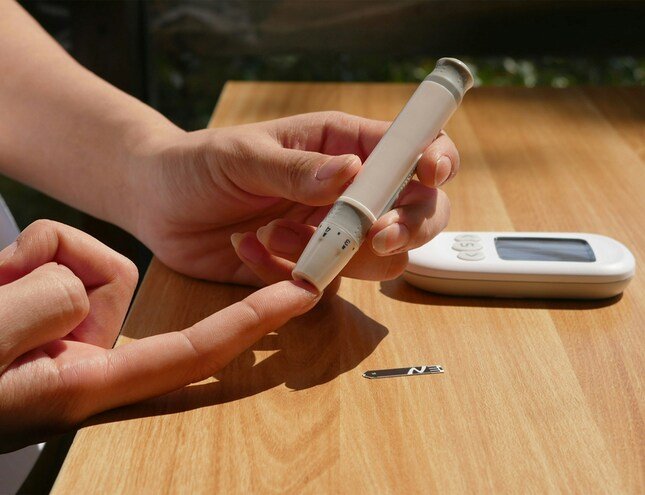
How a Traditional Glucose Meter Works
A traditional blood glucose meter requires a small blood sample, usually from a finger prick using a lancet, applied to a test strip that’s inserted into the meter. Within seconds, the meter displays your current glucose level as a single point-in-time reading. This has been the standard approach to home glucose monitoring for decades, and it remains widely used, reliable, and broadly covered by nearly every insurance type.
Advantages of a traditional meter
Meters are simple, require no ongoing sensor replacement or adhesive attached to your skin, and tend to have lower ongoing supply costs than CGMs even after insurance. They’re also useful as a backup for CGM users, confirming a sensor reading during a moment of uncertainty or if a CGM fails.
Limitations of a traditional meter
Because a meter only provides a reading at the moment you test, it can miss glucose swings that happen between tests, including overnight lows or rapid post-meal spikes that a fixed testing schedule wouldn’t catch.


How a Continuous Glucose Monitor Works
A CGM uses a small sensor, typically worn on the back of the upper arm or the abdomen, that measures glucose levels in the fluid surrounding your cells continuously throughout the day and night. Readings are sent automatically, often every one to five minutes, to a compatible receiver or smartphone app, along with a directional arrow showing whether your glucose is rising, falling, or holding steady.
Advantages of a CGM
Continuous data means you can catch trends and patterns a single fingerstick reading would miss entirely, including overnight lows, the specific impact of a particular meal, or how exercise affects your glucose in real time. Most CGMs also offer customizable high and low alerts, which can be especially valuable for catching dangerous lows before they become severe, including while sleeping.
Limitations of a CGM
CGMs generally cost more than a traditional meter and strips, even after insurance, and require a sensor change every 10 to 15 days depending on the model. Some patients also find the adhesive or insertion process uncomfortable, particularly with sensitive skin, and CGM readings can occasionally lag slightly behind an actual blood glucose value, particularly during rapid changes, which is why keeping a backup meter on hand remains a common recommendation even for CGM users.
Who Typically Benefits Most From Each
CGMs tend to offer the most benefit for:
- Patients using insulin, particularly with multiple daily injections or an insulin pump, since more frequent data supports more precise dosing decisions.
- Patients with a history of problematic hypoglycemia, especially overnight or without clear warning symptoms.
- Patients actively working with their care team to make frequent treatment adjustments based on trend data.
Traditional meters often remain the right fit for:
- Patients managing Type 2 diabetes through diet, exercise, or oral medication without insulin, whose glucose patterns tend to be more stable and less likely to require continuous data.
- Patients who prefer a simpler, lower-maintenance routine.
- Anyone who wants a reliable backup alongside a CGM for confirmation readings.
Many patients also use both, relying on a CGM for day-to-day monitoring while keeping a meter and strips on hand for the situations where a fingerstick confirmation is useful or necessary.
How Insurance Coverage Differs Between the Two
Meters and test strips are broadly covered across nearly every insurance type, including Medicare, Medicaid, and private insurance, with relatively straightforward eligibility requirements, generally just a diabetes diagnosis and a valid prescription.
CGMs carry more specific eligibility criteria. Under Medicare, for example, coverage generally requires that you use insulin of any kind, or have a documented history of problematic hypoglycemia, along with regular visits to your treating provider roughly every six months to confirm ongoing medical necessity. Private insurers and Medicaid programs often apply similar, though not always identical, criteria.
This difference in coverage complexity is part of why some patients who might personally prefer a CGM end up using a traditional meter instead, simply because their current treatment plan doesn’t yet meet a CGM’s specific qualifying criteria. If your treatment changes, for example if your doctor starts you on insulin or documents a hypoglycemia pattern, it’s worth revisiting whether you’d now qualify for CGM coverage.
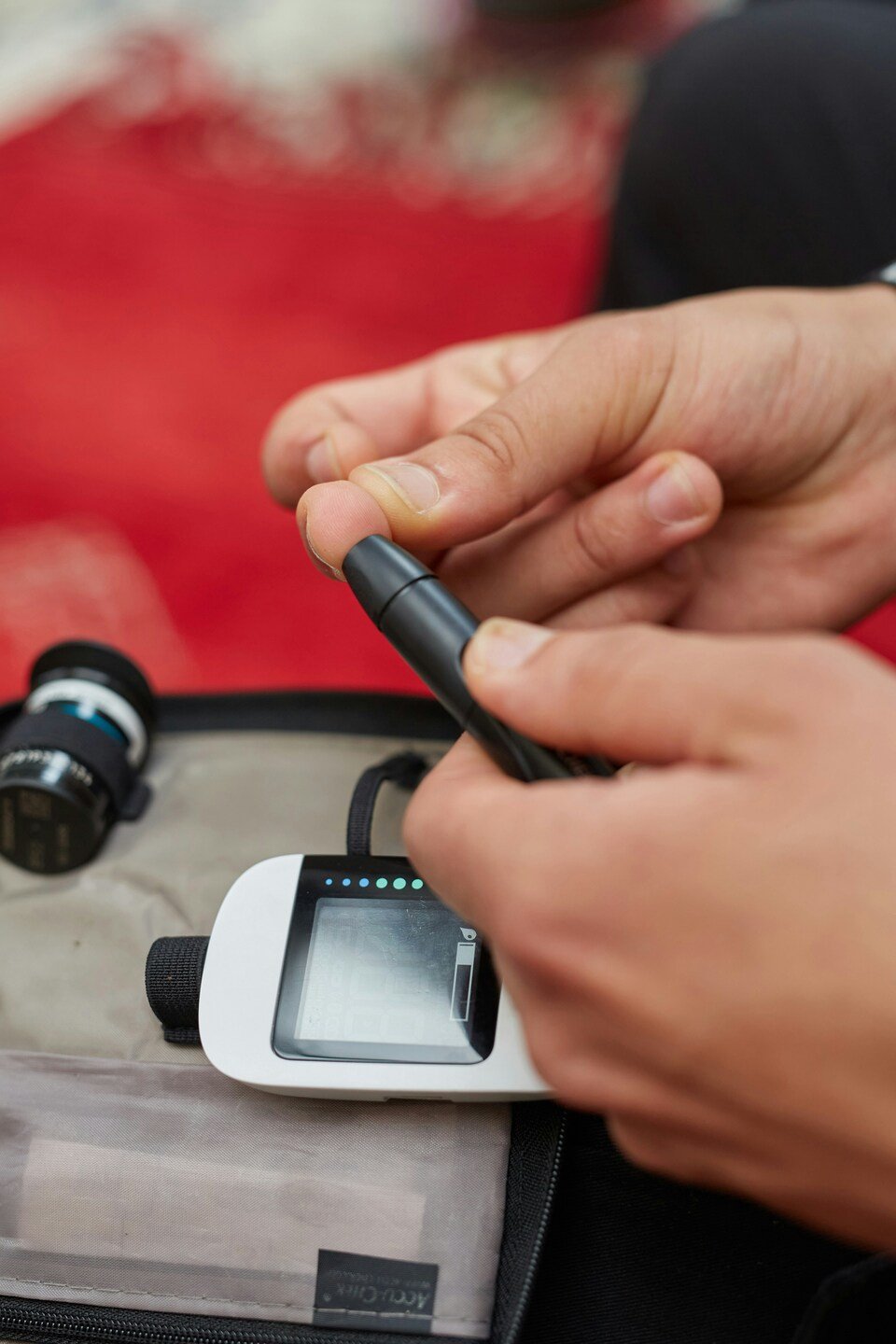
Making the Switch
If you’re currently using a traditional meter and think a CGM might better fit your needs, start by discussing it with your doctor. They can confirm whether your current treatment and glucose patterns meet your insurance plan’s specific qualifying criteria, and if so, can provide the prescription and documentation needed to begin coverage. If you don’t currently meet the criteria, understanding exactly what’s needed, for example a specific insulin regimen or documented hypoglycemia history, can help clarify what might change that in the future.
Getting Your Preferred Option Covered
Whichever monitoring approach fits your situation, Diabetic Discounts Network verifies your specific insurance coverage before anything ships, confirming your exact eligibility criteria and expected out-of-pocket cost. If you’re not sure which option your insurance would cover, or whether you currently qualify for a CGM, a free eligibility check gives you a clear answer.
Frequently Asked Questions
Is a CGM more accurate than a traditional glucose meter?
Both are accurate tools when used correctly, though they measure slightly different things. A meter measures blood glucose directly from a blood sample, while a CGM measures glucose in the fluid around cells, which can lag slightly behind blood glucose during rapid changes. Many CGM users keep a meter on hand for confirmation in specific situations.
Do I need a prescription for a CGM if I already have one for a meter?
Yes. CGMs and traditional meters are prescribed and covered separately, with CGMs carrying more specific clinical eligibility criteria than standard meters.
Can I use a CGM and a traditional meter together?
Yes, and many patients do. A meter serves as a useful backup for confirming a reading or handling a sensor issue, even for patients who rely primarily on a CGM for day-to-day monitoring.
Will my insurance cover a CGM if I don’t use insulin?
Possibly, if you have a documented history of problematic hypoglycemia even without using insulin. This qualifying path exists under Medicare and most private insurers, though the specific documentation required can vary by plan.
Is a CGM worth it if I have Type 2 diabetes managed without insulin?
This depends on your individual glucose patterns and treatment goals. Some Type 2 patients without insulin still benefit from the trend data a CGM provides, though insurance coverage in this situation often depends on meeting a specific qualifying criterion like documented hypoglycemia.
How do I know which option my insurance actually covers?
The most reliable way is a direct eligibility check, since coverage criteria for CGMs specifically vary by plan and by your individual diagnosis and treatment details.
This page provides general educational information and is not a substitute for medical advice. Coverage for CGMs and glucose meters depends on your specific insurance plan and documented medical necessity.