
Private Insurance Diabetic Supplies
How Commercial Insurance Covers Diabetic Equipment
Employer-sponsored plans, marketplace plans, and other commercial insurance policies generally cover diabetic supplies including CGMs, glucose meters, test strips, and insulin pump supplies, though the specific rules vary far more from plan to plan than they do under Medicare. This page walks through how private insurance coverage typically works, what tends to differ between plans, and what to expect when verifying your specific policy.
Why Coverage Varies More Under Private Insurance
Unlike Medicare, which sets a single national set of coverage rules, private insurance coverage for diabetic supplies is shaped by a mix of federal requirements, state mandates, and each individual plan’s own benefit design. The Affordable Care Act requires non-grandfathered individual and small group plans to cover certain essential health benefit categories, and whether diabetic supplies fall clearly within that category depends on each state’s specific benchmark plan. Some states explicitly write diabetes equipment and supplies into their benchmark, while others leave more room for individual plan variation. This is part of why two people with what looks like similar private insurance, but in different states or through different employers, can end up with meaningfully different coverage for the same CGM or meter.
What’s Typically Covered
Most commercial insurance plans cover the same core categories as Medicare, generally following a similar overall structure:
Continuous glucose monitors
Most private insurers cover therapeutic CGMs like the Dexcom G7 and FreeStyle Libre 3 for patients with a qualifying diagnosis and prescription. According to CGM manufacturers, most users with private or commercial insurance pay well under fifty dollars a month out of pocket for sensors, though your specific plan’s deductible and coinsurance structure determines your exact cost.
Blood glucose meters and test strips
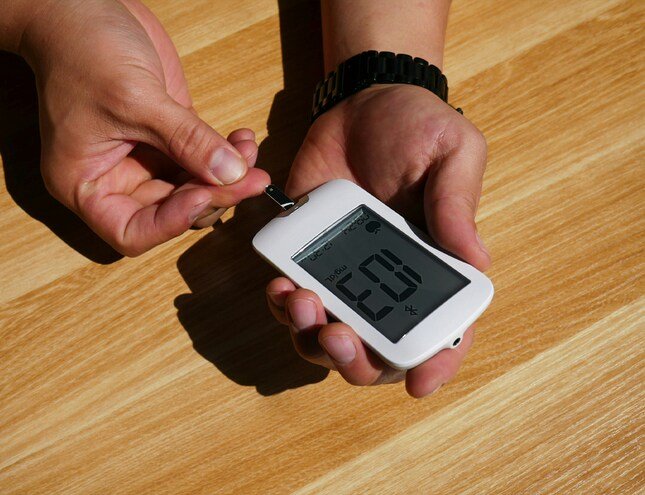
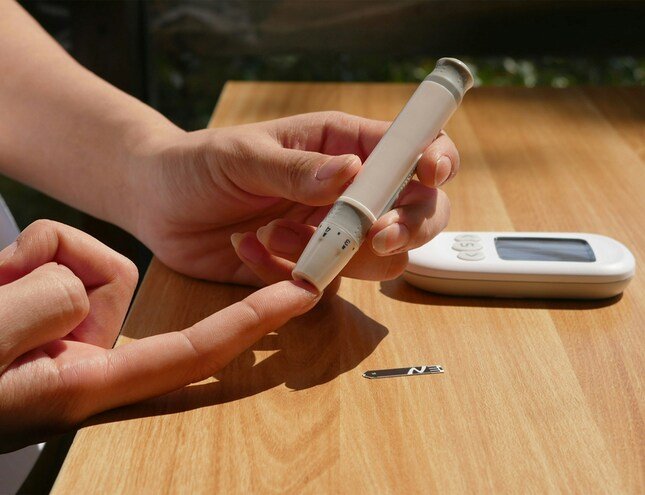
Standard meters and their corresponding test strips are broadly covered, often through a plan’s durable medical equipment benefit, a pharmacy benefit, or in some cases either, depending on how your specific insurer structures diabetic supply coverage.
Insulin pump supplies
Traditional tubed pumps are typically covered under a DME benefit similar to Medicare’s structure, while tubeless patch pumps are more often covered under a pharmacy benefit instead, following your plan’s drug formulary.
Where Private Insurance Often Differs From Medicare
Designated suppliers and pharmacies
Many private insurers, including several large Blue Cross Blue Shield plans, work with a specific third-party administrator to manage diabetic supply authorizations and designate which suppliers or pharmacies you’re required to use. Some plans allow certain DME, including CGMs, to be obtained through a network pharmacy rather than a separate equipment supplier, while others require a dedicated DME provider specifically. Confirming which pathway applies to your plan is part of what our team verifies before your order moves forward.
Prior authorization requirements
Private insurers frequently require prior authorization for CGMs and insulin pumps, and some extend this requirement to standard test strips or meters as well, particularly for quantities above a plan’s default allowance. Refill quantities exceeding your plan’s standard limit, sometimes as tight as a 30-day or 90-day supply cap, often require a separate prior authorization request.
Preferred brand restrictions
Some private plans and Medicare Advantage plans limit coverage to a narrower set of preferred meter or test strip brands than Medicare’s broader guidelines allow, sometimes covering only one or two specific manufacturers at the lowest cost-sharing tier.
Insulin cost caps
Many current private and employer plans have adopted insulin cost caps similar to the $35 monthly cap that applies to Medicare Part D and Medicare Advantage prescription drug plans, though this isn’t universal across all commercial insurance, and your specific plan’s formulary determines your exact cost.
Employer-Sponsored Plans
If your coverage comes through an employer, your specific diabetic supply benefits depend on how your employer structured the plan, which can vary even among plans offered by the same insurance carrier. Two employees at different companies, both technically covered by the same insurer, can have different deductibles, different preferred suppliers, and different cost-sharing for the same CGM. This is why we verify your specific employer plan’s terms directly, rather than relying on general assumptions about a particular insurance carrier.
Marketplace and Individual Plans
If you purchase your own insurance through the ACA marketplace or directly from an insurer, your plan’s diabetic supply coverage is shaped by your state’s essential health benefit benchmark plan alongside your plan’s own specific benefit design. Marketplace plans are required to cover durable medical equipment as part of the broader rehabilitative and habilitative services category, though the details of what counts as covered diabetic equipment can still vary based on your state and specific plan tier.
What Happens When Your Employer Plan Changes
A change in employer, a new plan year, or your employer switching insurance carriers can each affect your diabetic supply coverage, sometimes significantly. A new plan may use a different designated supplier, a narrower preferred brand list, or a different prior authorization threshold than your previous coverage. If any of these changes happen, contact our support team so we can re-verify your coverage under the new plan before your next refill is due, rather than assuming your previous coverage terms still apply.
Getting Started
Because private insurance coverage varies so much by specific plan, the most reliable way to know what your policy covers is a direct eligibility check rather than general assumptions based on your insurance carrier’s name alone. Our team verifies your specific plan’s terms, confirms whether prior authorization or a designated supplier applies, and tells you your exact expected cost before anything ships.
Frequently Asked Questions
Does my private insurance cover diabetic supplies the same way Medicare does?
Not exactly. Most private plans cover the same core categories, CGMs, meters, test strips, and pump supplies, but the specific rules around designated suppliers, prior authorization, and preferred brands vary far more than under Medicare’s more standardized structure.
How much will a CGM cost me with private insurance?
Costs vary by plan, but many patients with private or commercial insurance pay well under fifty dollars a month for CGM sensors after their plan’s cost-sharing applies. We confirm your specific expected cost during verification.
Do I have to use a specific supplier under my private plan?
Often, yes. Many private insurers designate specific DME suppliers or network pharmacies for diabetic supplies, and using an out-of-network source can mean higher costs or no coverage at all.
What if my employer switches insurance carriers?
Your diabetic supply coverage may change under the new plan, including your designated supplier or preferred brand list. Contact our support team as soon as the switch happens so we can re-verify your coverage.
Are insulin cost caps available under private insurance?
Many current private and employer plans have adopted a monthly insulin cost cap similar to Medicare’s, though this isn’t universal. Your specific plan’s formulary determines your exact cost.
Does my state affect what my private insurance covers?
It can. Essential health benefit benchmark plans, which shape what individual and small group marketplace plans must cover, are set at the state level, and some states explicitly include diabetes equipment in their benchmark while others leave more room for variation.
Coverage under private and employer-sponsored insurance varies significantly by plan, state, and employer. This page provides general information and is not a guarantee of coverage.