
Diabetic Testing Supplies
Your Daily Monitoring Routine, As a Complete System
Managing diabetes day to day isn’t just about owning a single device — it’s about a coordinated set of supplies that work together as part of an ongoing routine your doctor has prescribed. Whether your testing plan centers on a traditional fingerstick meter or a continuous glucose monitor, understanding how these pieces fit together, and how insurance treats them as a system rather than isolated purchases, helps you avoid coverage gaps and unnecessary out-of-pocket costs.
This page covers how a typical testing routine is structured, how frequently most patients test, and how the individual supply categories — meters, CGMs, strips, lancets, and accessories — connect to one prescribed plan of care.
How a Typical Testing Routine Is Structured
For patients using a fingerstick meter
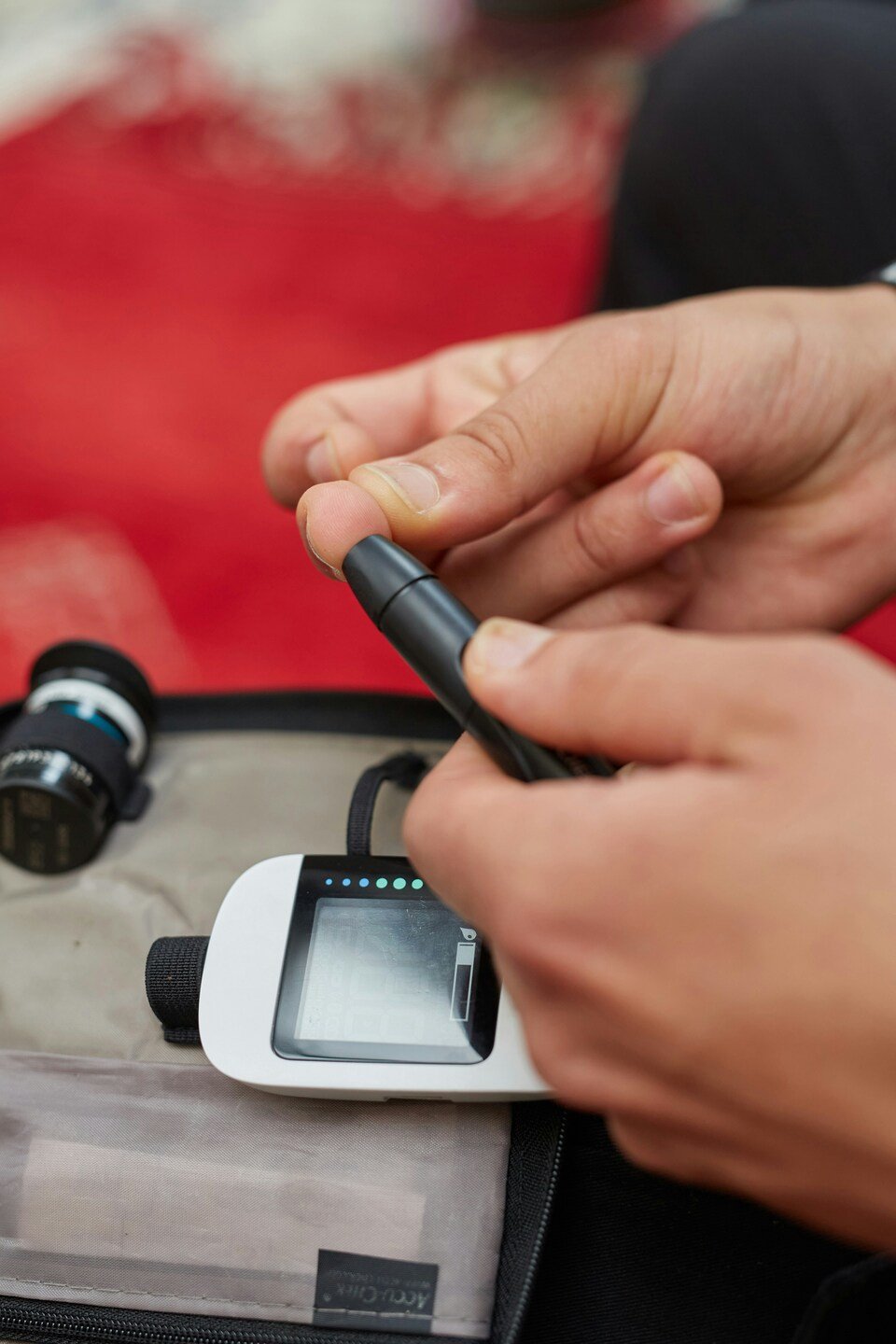
A complete routine includes the meter itself, a supply of test strips matched to that specific meter, and lancets for drawing the blood sample. Your prescribed testing frequency — how many times per day your doctor wants you checking your glucose — determines how many strips and lancets your insurance will cover in a given period. Testing frequency is typically tied to your treatment intensity: patients using multiple daily insulin injections generally test more often than those managing diabetes through diet, oral medication, or a simpler insulin regimen.
For patients using a CGM
A continuous glucose monitor largely replaces routine finger sticks with automatic, ongoing readings from a wearable sensor. Even CGM users, however, are typically advised to keep a standard meter and a small supply of strips and lancets on hand as a backup — for example, to confirm a reading if CGM data doesn’t match symptoms, or in case of sensor failure. Most insurers, including Medicare, will cover a limited backup supply of strips and lancets for CGM users even though day-to-day testing is handled by the sensor.
For patients using an insulin pump
Pump users often combine CGM data with the pump’s dosing system, sometimes as part of an integrated automated insulin delivery system that adjusts insulin delivery based on real-time glucose readings. This adds an additional layer to the testing-and-treatment routine, since the CGM’s accuracy directly affects how the pump doses insulin.
Why Testing Frequency Matters for Coverage
Insurance guidelines for test strips, lancets, and even CGM eligibility are frequently built around your prescribed testing frequency. Medicare, for example, structures its standard test strip and lancet allowance around whether you use insulin, and some CGM coverage criteria reference a minimum number of daily finger-stick checks or insulin doses as one path to qualifying. This means the testing frequency your doctor documents in your medical record isn’t just a clinical detail — it directly shapes what your insurance will cover and at what quantity.
If your actual testing needs exceed what a standard guideline assumes — because your treatment plan is more intensive, or your glucose control requires closer monitoring — your doctor can document that need specifically, which allows for a higher covered quantity than the plan’s default allowance.


Keeping Records That Support Your Coverage
Many patients find it useful to keep a simple log of testing frequency and results, whether using a meter’s companion app, a CGM’s data platform, or a written log. Beyond helping you and your doctor manage your treatment plan day to day, this record can also serve as supporting documentation if your insurer ever requests confirmation that your prescribed testing frequency and supply quantities match your actual usage.
How These Supplies Work Together Under One Insurance Verification
Rather than treating a meter, CGM, strips, lancets, and accessories as separate insurance requests, Diabetic Discounts Network verifies your full testing routine as one coordinated plan. This means if your doctor has prescribed a CGM alongside backup meter supplies, or a meter alongside a higher testing frequency than standard, our team confirms coverage for the entire routine in a single verification pass rather than requiring you to submit separate requests for each component.
What to Expect as Your Routine Changes
Diabetes management often evolves — a new diagnosis of problematic hypoglycemia might newly qualify you for CGM coverage, a change in insulin regimen might shift your covered test strip quantity, or a switch from fingerstick-only monitoring to a CGM might change your entire supply routine. Whenever your doctor adjusts your treatment plan, contact our support team so we can re-verify your coverage and adjust your ongoing refill schedule to match your updated routine, rather than continuing to ship supplies based on an outdated testing plan.
Why a Coordinated Approach Matters
Patients who manage each supply category separately — requesting a meter here, strips there, and a CGM through a different channel entirely — often end up with mismatched refill timing, duplicated verification steps, or gaps where one component’s coverage lapses while another’s stays active. Treating your testing routine as a single coordinated plan, verified and refilled together, reduces the chances that any one piece falls out of sync with the rest of your prescribed care.
Getting Started
If you’re setting up a testing routine for the first time, or your doctor has recently changed your treatment plan, a free eligibility check is the fastest way to understand what your insurance covers for your complete routine — meter or CGM, strips, lancets, and any related accessories — rather than piecing it together one item at a time.
Frequently Asked Questions
Do I need both a CGM and a traditional meter?
Many CGM users are advised to keep a standard meter and a limited supply of strips and lancets as a backup, for situations like confirming a reading that doesn’t match symptoms or handling a sensor malfunction. Most insurers, including Medicare, will cover a reduced backup supply alongside CGM coverage.
How does my testing frequency affect what’s covered?
Insurance guidelines for test strips, lancets, and even CGM eligibility are often tied to how frequently your doctor has prescribed testing. A more intensive treatment plan requiring frequent testing typically supports coverage for higher supply quantities.
Can I request coverage for my full testing routine at once?
Yes. Rather than submitting separate requests for a meter, CGM, strips, and lancets, our team verifies your complete prescribed testing routine in a single eligibility check.
What if my doctor changes my treatment plan?
Contact our support team as soon as your routine changes so we can re-verify your coverage and adjust your ongoing refill schedule to match your new testing frequency or supply needs.
Is keeping a testing log actually necessary?
It’s not always required, but a simple log of your testing frequency and results can help support documentation if your insurer ever requests confirmation that your prescribed testing plan matches your actual usage.
What if I’m switching from fingerstick testing to a CGM?
This is a common transition. Let our team know, and we’ll re-verify your coverage for the CGM specifically, including its clinical eligibility criteria, while adjusting your existing meter and strip supply to a reduced backup quantity if your insurer requires one.
Coverage for diabetic testing supplies depends on your specific insurance plan, prescribed testing frequency, and documentation provided by your treating physician. This page provides general information and is not a guarantee of coverage.