
Blood Glucose Meters
The Foundation of Everyday Diabetes Management
A blood glucose meter, sometimes called a glucometer, remains the most widely used and most broadly insurance-covered diabetic device on the market. Using a small blood sample from a finger stick, a meter provides a fast, accurate reading of your current glucose level, giving you and your doctor a clear, immediate data point for managing your treatment plan. Whether you’re newly diagnosed, replacing an aging meter, or switching brands on your doctor’s recommendation, a properly prescribed meter and its corresponding test strips are covered by Medicare Part B, most Medicaid programs, and the vast majority of private insurance plans.
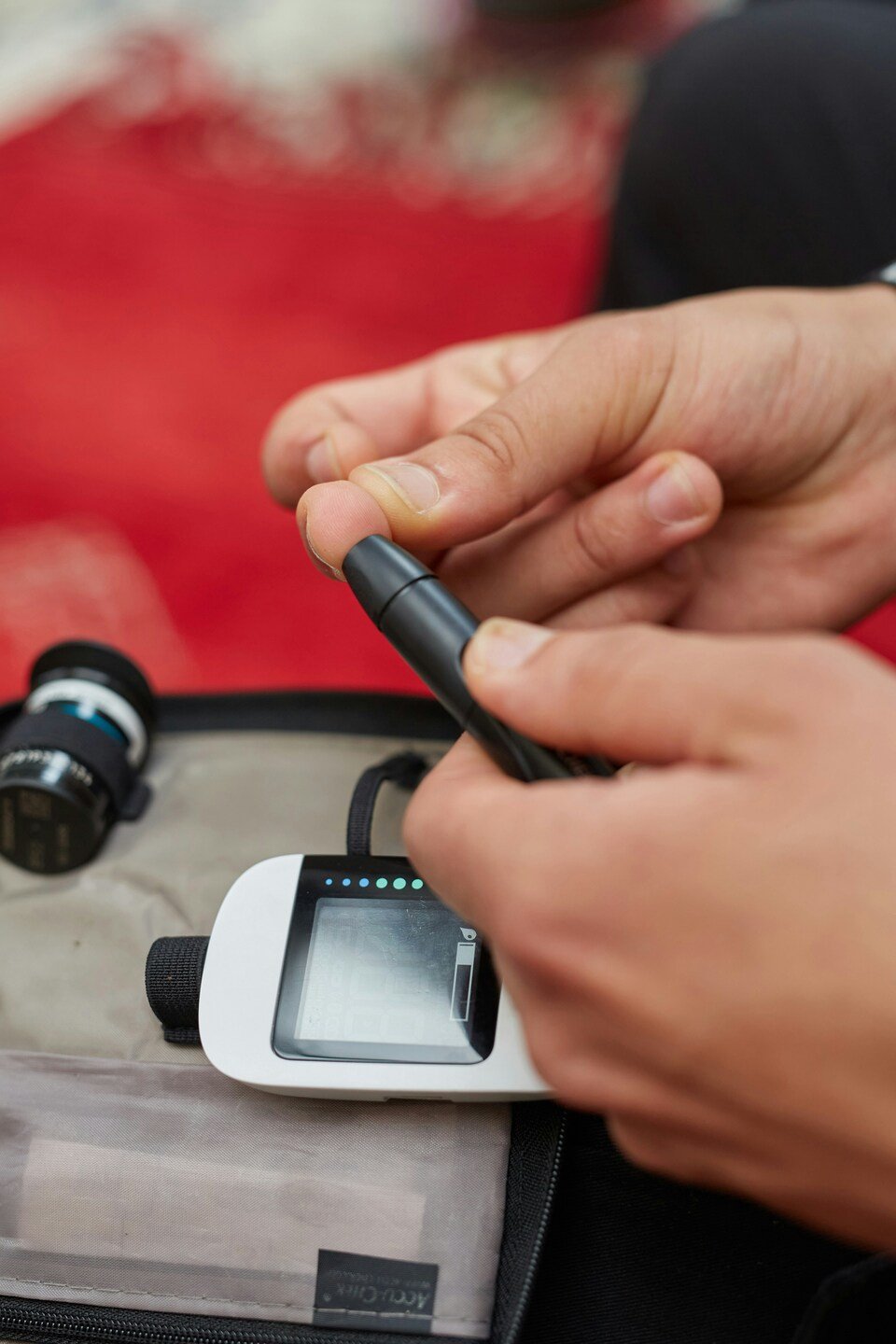
Meter Brands Commonly Covered
Accu-Chek Guide and Accu-Chek Guide Me
Roche’s Accu-Chek line is widely covered under Medicare Part B and commercial plans, with the Guide and Guide Me models offering a simple testing process and companion mobile app for tracking results over time. Your doctor can specify “Accu-Chek Guide Me” directly on your prescription, including a “do not substitute” note if you want to ensure you receive this specific model.
OneTouch
OneTouch meters, including their Ultra line, are known for requiring only a small blood sample and offering testing from multiple sites on the body, not just the fingertip. It’s worth noting that some Medicare Advantage plans have shifted preferred-brand status away from OneTouch in recent formulary updates, so our team confirms your specific plan’s current preferred brand list before your order is placed.
Contour Next
Ascensia’s Contour Next meters are frequently cited among the most accurate fingerstick monitors available, with published accuracy performance that holds up well even in challenging conditions like extreme temperatures or high-altitude use.
True Metrix and True Metrix Air
These meters have been added to an increasing number of Medicare Advantage preferred supply lists in recent years, offering a lower-cost alternative with comparable core functionality to established brands.
How Meter Coverage Works
A prescription is required, and a few coverage principles apply broadly across Medicare, Medicaid, and private insurance:
A prescription is required
Your doctor’s prescription for a blood glucose meter typically needs to state your diabetes diagnosis, confirm the medical necessity of home testing, and specify how often you should be testing and how many test strips and lancets that testing schedule requires. If you or your doctor has a brand preference, noting it directly on the prescription — with a “do not substitute” instruction if needed — helps ensure you receive that specific model rather than a generic equivalent.
Medicare cost-sharing
Under Original Medicare, blood glucose meters and their corresponding test strips are covered under the Part B durable medical equipment benefit. After you’ve met your annual Part B deductible, Medicare typically covers 80% of the Medicare-approved amount, with you responsible for the remaining 20% unless you have supplemental coverage that covers the difference.
Medicare Advantage preferred brands
Because Medicare Advantage plans are administered by private insurers, many maintain a “preferred” list of meter brands that carry the lowest cost-sharing tier, while non-preferred brands may cost more out of pocket or require additional steps to obtain. These preferred lists can and do change — some plans have shifted preferred status among brands as recently as the most recent plan year — so it’s worth confirming your specific plan’s current list rather than assuming last year’s preferred brand still applies.
Medicaid and private insurance
Most state Medicaid programs and commercial insurance plans cover standard blood glucose meters similarly to Medicare, requiring a valid prescription and documented medical necessity, though specific preferred brands and cost-sharing amounts vary by plan and state.
Choosing the Right Meter
For most patients, any properly prescribed and insurance-covered meter provides clinically reliable results — accuracy standards for consumer glucose meters are set and monitored by the FDA, so covered meters from established manufacturers all meet a baseline reliability threshold. That said, a few practical factors can make one meter a better fit than another for your specific situation:
Sample size and testing sites
Some meters require a smaller blood sample or allow testing from sites beyond the fingertip, which can matter if frequent fingertip testing has become uncomfortable.
Companion app and data sharing
Many current meters sync results to a smartphone app, making it easier to track trends over time and share a testing history with your doctor at appointments.
Compatibility with your prescribed test strips
Meters and test strips are typically brand-matched — an Accu-Chek meter uses Accu-Chek strips, for example — so your choice of meter also determines which strips your insurance will cover going forward.
What’s Included With Your Meter Order
A standard glucose meter order typically includes the meter itself along with an initial supply of corresponding test strips and lancets, sized to your prescribed testing frequency. From there, most patients are set up on an automatic refill schedule for ongoing strips and lancets, so you’re not placing a new order every time you’re running low.
Getting Started
If you already have a prescription and know which meter you or your doctor prefers, you can submit a request directly. If you’re not sure what your insurance covers or which brand is preferred under your specific plan, a free eligibility check is the fastest starting point — our team verifies your coverage and confirms your exact out-of-pocket cost before anything ships.
Frequently Asked Questions
Which blood glucose meter brands does insurance typically cover?
Accu-Chek, OneTouch, Contour Next, and True Metrix are among the most commonly covered brands across Medicare, Medicaid, and private insurance, though specific preferred-brand status can vary by plan and change from year to year.
Do I need a new prescription if I want to switch meter brands?
Yes. Since meters and their corresponding test strips are brand-matched, switching meters typically requires an updated prescription reflecting the new device and its specific strip requirement.
How much will a glucose meter cost me with insurance?
Under Original Medicare, you’re typically responsible for 20% of the Medicare-approved amount after meeting your Part B deductible, unless you have supplemental coverage. Medicaid and private plan costs vary, and we confirm your exact amount before your order ships.
What if my Medicare Advantage plan changed its preferred meter brand?
This does happen from time to time, since Medicare Advantage plans set their own preferred-brand lists. If your current meter’s brand loses preferred status, we’ll let you know during verification and can help coordinate a switch to a currently preferred brand if that keeps your costs lower.
Can my doctor request a specific brand of meter?
Yes. Your doctor can note a preferred brand directly on your prescription, including a “do not substitute” instruction, to help ensure you receive that specific model.
Are all covered meters equally accurate?
Consumer glucose meters sold in the U.S. must meet FDA accuracy standards, so covered meters from established manufacturers all meet a baseline reliability threshold. Differences between models tend to come down to sample size, testing site flexibility, and companion app features rather than core accuracy.
Coverage for blood glucose meters depends on your specific insurance plan and prescription as determined by your treating physician. This page provides general information and is not a guarantee of coverage.